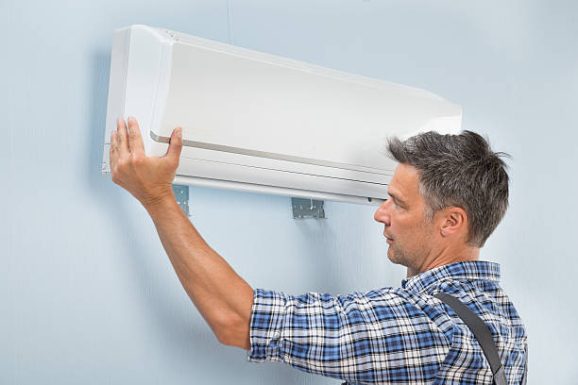
Including professional methods like the Manual J calculation.
An air conditioner that’s too small won’t cool effectively, while one that’s too large can lead to excessive humidity, energy waste, and shorter system lifespan. That’s why professional HVAC technicians use proven scientific methods, such as the Manual J Load Calculation, to determine the perfect aircon size for every unique space. In this article, we’ll break down how these pros approach sizing, why it matters, and what you should know before purchasing or upgrading your AC system.
Why Aircon Size Matters
Getting the aircon size right is essential for long-term performance. Here’s why:
- Efficiency: A correctly sized unit operates at its optimal capacity, using less energy.
- Comfort: It maintains consistent indoor temperatures without sudden swings.
- Humidity Control: A well-sized aircon removes the right amount of moisture from the air.
- Longevity: It reduces wear and tear, extending the life of your HVAC system.
- Cost Savings: You avoid overspending on utility bills or future repairs.
Without the proper calculations, you could end up with an AC unit that constantly cycles on and off (short cycling), or one that struggles to keep your space cool during peak summer heat.
Manual J Load Calculation: The Gold Standard
The most widely accepted method for determining the correct aircon size is the Manual J Load Calculation, developed by the Air Conditioning Contractors of America (ACCA). This method uses a comprehensive approach to evaluate your home’s heating and cooling needs.
Factors Considered in Manual J:
- Square Footage: The total area to be cooled or heated.
- Ceiling Height: Higher ceilings increase the volume of air to condition.
- Insulation Levels: Well-insulated homes require less cooling power.
- Window Type and Orientation: Sun-facing windows can increase heat gain.
- Occupancy: More people generate more heat.
- Appliances and Lighting: These can add to the indoor heat load.
- Climate Zone: Local weather patterns influence sizing requirements.
- Air Leakage: Drafts and poor sealing can impact cooling efficiency.
This method uses detailed data, not guesswork, to determine the exact BTUs (British Thermal Units) required for optimal cooling.
Pro Tip: For every ton (12,000 BTUs) of air conditioning capacity, a space of around 400–600 square feet is typically covered, depending on the specifics above. But remember, this is a general rule—Manual J offers a more accurate result.
What Happens When the Aircon Size Is Wrong?
Oversized Aircon
- Short Cycling: The unit turns on and off frequently, leading to energy waste.
- Poor Humidity Control: The system cools too quickly and doesn’t run long enough to remove moisture.
- Wear and Tear: Frequent cycling stresses the compressor and other components.
- Higher Energy Bills: Despite rapid cooling, it uses more power inefficiently.
Undersized Aircon
- Constant Operation: The unit runs all day trying to meet the cooling demand.
- Inadequate Cooling: Some rooms may stay warm despite full operation.
- Overheating Components: Working beyond capacity shortens the unit’s life.
- Uncomfortable Living Conditions: You’ll never feel completely cool.
That’s why HVAC professionals emphasize the importance of calculating the right aircon size from the start.
Other Professional Methods
While Manual J is the go-to method, HVAC pros may also use:
-
Manual S (Equipment Selection)
After determining the load via Manual J, Manual S helps in selecting the right system model. It ensures the unit’s performance specs align with your home’s requirements.
-
Manual D (Duct Design)
If your system includes ductwork, Manual D is used to design an efficient duct layout that delivers proper airflow. Poor duct design can ruin even a perfectly sized aircon.
-
Software Tools
Modern HVAC contractors often use software like Wrightsoft, Cool Calc, or Elite to run accurate load calculations. These programs streamline the Manual J process and allow adjustments based on custom home variables.
When Should You Recalculate Your Aircon Size?
Certain changes in your home may warrant a fresh assessment of your aircon size:
- Room additions or conversions (e.g., garage to bedroom)
- Significant upgrades to windows, roofing, or insulation
- Changes in occupancy or how a room is used (e.g., home office with computers)
- Moving into a new climate zone
It’s best to consult a certified HVAC technician whenever your living situation changes significantly.
DIY Estimators: Proceed with Caution
You might find online calculators promising quick answers for your aircon size, but these tools often oversimplify critical factors. While they can give a rough estimate, they don’t replace a professional load calculation.
Relying solely on square footage can lead to costly mistakes. Trusting HVAC pros with the sizing process is always the smarter investment.
Determining the correct aircon size is a science, not a guessing game. With methods like Manual J and professional-grade software tools, HVAC technicians ensure your cooling system fits your home perfectly. Proper sizing leads to improved comfort, better humidity control, greater energy efficiency, and a longer-lasting AC unit.